How to Learn Chess Openings Without Memorizing Everything
A step-by-step method to learn chess openings: start with principles, pick a small repertoire, learn ideas and structures, then practice and review real games.
In short
- Learn the opening principles first; they explain why most opening moves are played.
- Start with a small repertoire: one opening for White, one against 1.e4, one against 1.d4.
- Learn ideas, pawn structures and typical plans before long move sequences.
- Go only as deep as your games require, and add new lines when your opponents actually play them.
There are thousands of named chess openings and millions of documented variations. Nobody memorizes them all, not even grandmasters. The good news is that you don’t need to. Learning chess openings is less about memory and more about understanding a small number of ideas very well.
Here’s a step-by-step method for learning chess openings efficiently, whatever your level.
Step 1: Learn the principles first
Every good opening follows the same handful of principles: control the center, develop your knights and bishops, castle, don’t waste moves. Once you know them, most opening moves stop looking random.
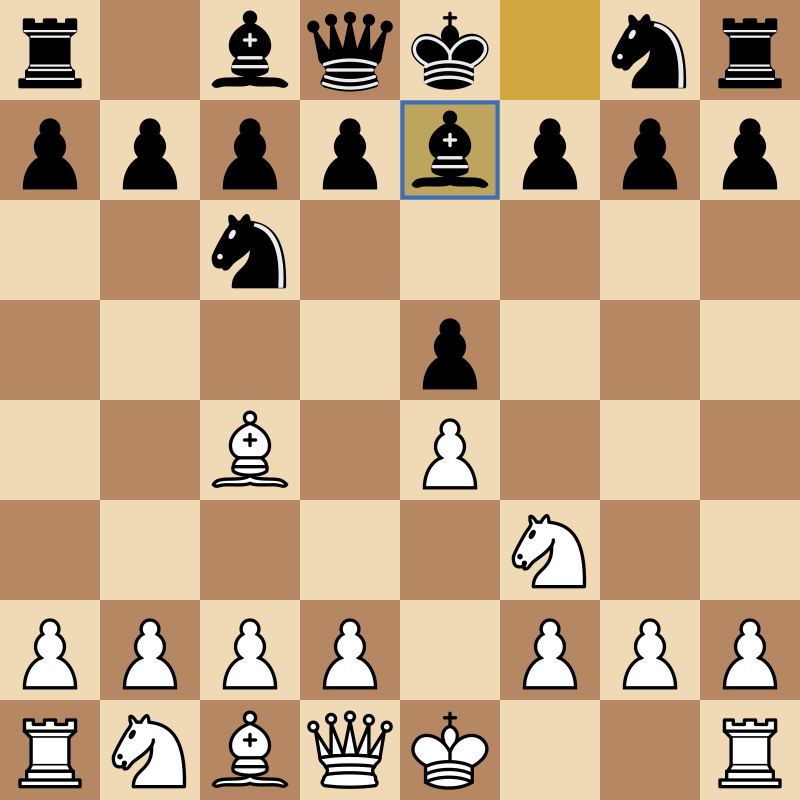
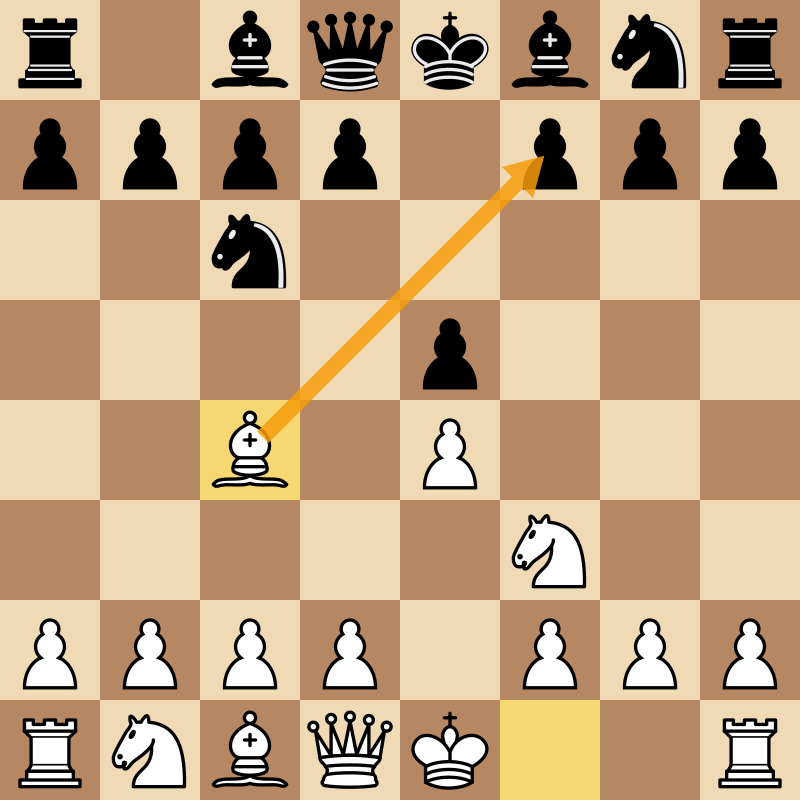
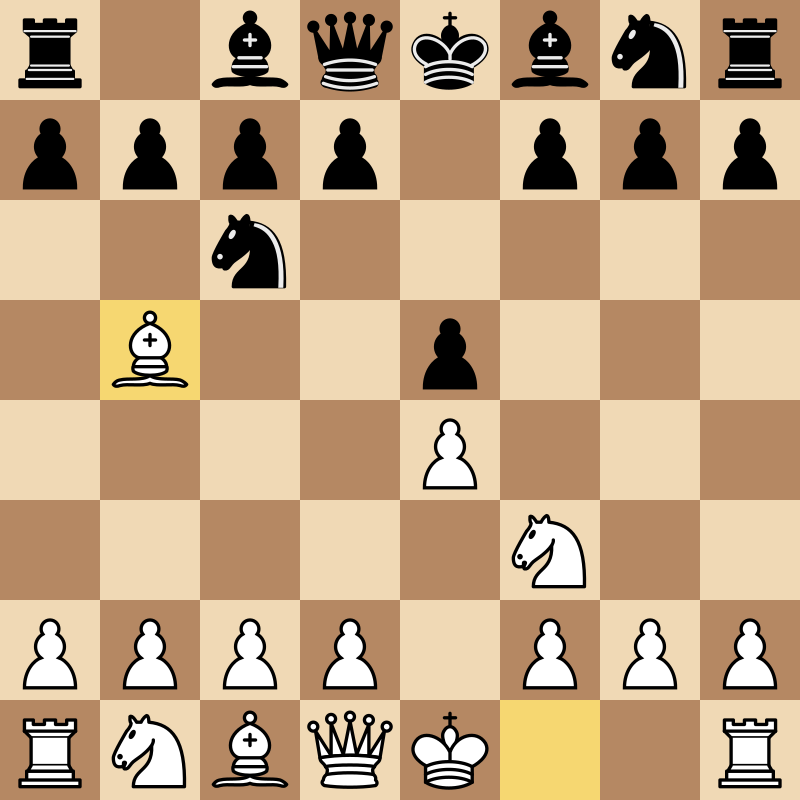
Take the Italian Game above. 1.e4 takes the center, 2.Nf3 develops and attacks e5, 3.Bc4 develops toward f7, 4.c3 prepares d4, 5.d3 supports e4. None of it needs memorizing if you understand the principles. Read chess opening principles for all ten.
Step 2: Choose a small repertoire
A repertoire is the set of openings you play. Start with exactly three:
- One opening for White (for example, the Italian Game or London System).
- One defense against 1.e4 (for example, the Caro-Kann or 1…e5).
- One defense against 1.d4 (for example, the Queen’s Gambit Declined or Slav).
That covers the vast majority of your games. If you don’t know what to choose, our list of the best chess openings for beginners is a good starting point, and how to build a chess opening repertoire explains how to choose openings that fit together.
Step 3: Learn the ideas, not just the moves
For each opening, write down (or say out loud) answers to these questions:
- What is the pawn structure? Where are the pawns going to be after the opening?
- Where do the pieces go? What’s the ideal square for each knight, bishop and rook?
- What is the main plan? A pawn break? An attack? Pressure on a weakness?
- What are the typical tactics? Which traps or tactical motifs come up repeatedly?
For example, in the Caro-Kann: the structure is solid with pawns on c6 and d5; the light-squared bishop goes out to f5 before …e6; the main plan is …c5 or …e5 to challenge White’s center.
Step 4: Learn the main line, with reasons
Now learn the main line, but always with the reason for each move. In the Chess Opens trainer, every move of every line comes with a short explanation, so you’re never memorizing blind. Go through it slowly. Before you click to the next move, try to guess it and its purpose.
How deep? For most club players, 6–10 moves of the main line is enough. Past that, plans matter more than moves.
Step 5: Study model games
A model game shows the opening’s plans actually working. Find a few games played by strong players in your opening (any database or opening explorer can filter by opening), and play through them, focusing on the moves after the opening. How did the winner use the structure? Where did the pieces go?
The Lichess opening explorer is a free way to see which moves are played most often and how they score.
Step 6: Practice from memory
Reading a line is passive. To make it stick, play your side of the line from memory while something else plays the opponent’s moves. The trainer’s Practice mode does exactly this, with hints when you’re stuck and stars for clean runs. Short, repeated sessions over several days work far better than one long session. Our article on how to practice chess openings lays out a full routine, including practicing against bots.
Step 7: Play and review
Finally, use the opening in real games. After each game, look at the opening and find the first move where you or your opponent left the line you know. Look up the best response and add it to your repertoire.
This is how your repertoire should grow: driven by your actual games, not by trying to learn everything in advance. If nobody ever plays a particular sideline against you, you don’t need to study it yet.
Common mistakes when learning openings
- Memorizing too deep, too early. Knowing move 20 of a Najdorf line is useless if you don’t understand moves 6–10.
- Switching openings constantly. Every switch resets your knowledge to zero. Commit for a few months.
- Studying only the main line. At club level, you’ll meet sidelines far more often. Learn the common deviations (one or two moves each) before going deeper.
- Never reviewing games. Your own games are the best guide to what you need to learn next.
- Spending all study time on openings. Openings matter, but tactics and endgames win more games below master level.
A simple first month
| Week | Focus |
|---|---|
| 1 | Opening principles; pick your three openings |
| 2 | Learn the main line of your White opening with explanations; practice it from memory |
| 3 | Learn your defense to 1.e4; practice it; play bot games with both |
| 4 | Learn your defense to 1.d4; play real games; review the first deviation in each |
Ready to start? Pick an opening from the opening library. The Italian Game, London System and Caro-Kann are great first choices. For memory techniques that make lines stick, read how to memorize chess openings.
Practice it in Chess Opens
Learn the Italian Game move by move
Step through the Italian Game with the reason behind every move, then play it from memory against the trainer. Free, no sign-up.
Also in this article: Caro-Kann Defense, London System
Questions
Q1How deep should I memorize chess openings?
For most club players, 6–10 moves of the main line is plenty, as long as you know the plans that follow. Go deeper only in lines your opponents actually play against you, or in sharp lines where one wrong move loses.
Q2Should beginners study openings at all?
Yes, but lightly. Learn the opening principles and the first few moves of one opening for each color. Most of a beginner's study time is better spent on tactics and basic endgames.
Q3What's the fastest way to learn a new opening?
Understand the main ideas, play through the main line with explanations, drill it from memory a few times, then play it in 10–20 games and review where each game left your preparation.
Keep reading
How to Practice Chess Openings (Without Losing Rated Games)
A practical routine for practicing chess openings: learn the ideas, drill the moves from memory, play them against bots, and review every game. Fair-play safe.
The 8 Best Chess Openings for Beginners (and Why They Work)
The best chess openings for beginners, for White and Black: the Italian, London, Queen's Gambit, Caro-Kann and more, with diagrams and simple plans.
Best Chess Openings for White: 7 Choices for Every Style
The best chess openings for White, by style: the Italian, Ruy Lopez, Scotch, Vienna, Queen's Gambit, London System and English, with diagrams and plans.