How to Practice Chess Openings (Without Losing Rated Games)
A practical routine for practicing chess openings: learn the ideas, drill the moves from memory, play them against bots, and review every game. Fair-play safe.
In short
- Practice in four stages: understand the ideas, drill the moves from memory, play the opening against bots, then use it in real games.
- Bots are the safest place to practice. Chess.com's Fair Play Policy doesn't allow extensions or opening books in games against people.
- After every game, find the move where you or your opponent left your preparation and look up what you should have played.
- Short, frequent sessions beat long, rare ones. Ten minutes a day keeps an opening fresh.
Most players “learn” an opening by watching a video, nodding along, and then forgetting everything by move six of their next game. The problem isn’t memory. It’s that watching isn’t practicing.
This article lays out a simple, four-stage routine for practicing chess openings until they stick, and how to do it without risking your rating or breaking any site’s fair-play rules.
Stage 1: Understand the ideas first
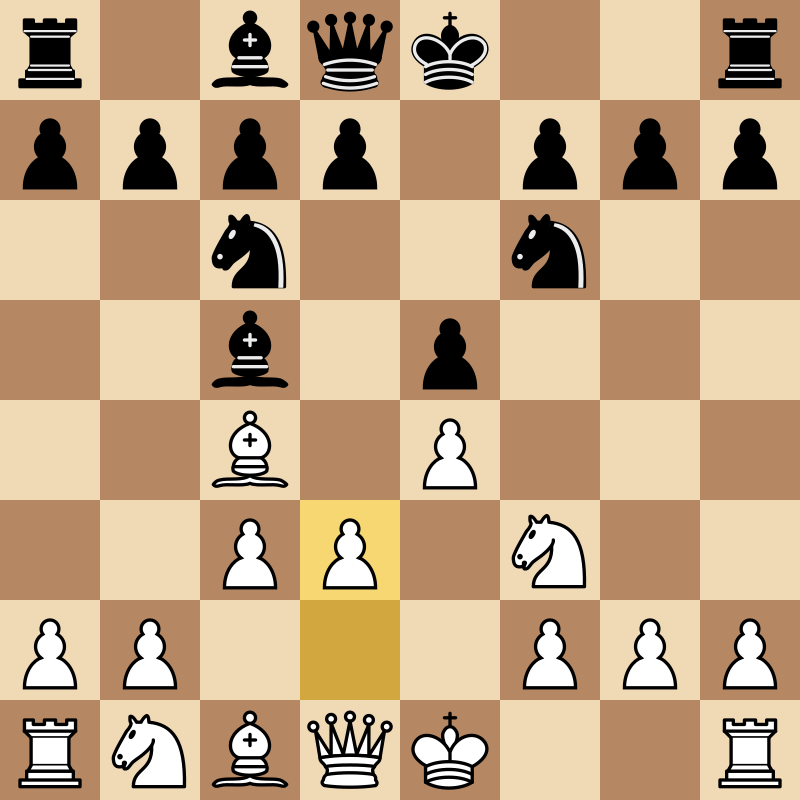
You remember what you understand. Before drilling a single move, make sure you know why each move is played. Why does the bishop go to c4 in the Italian? (It targets f7.) Why does the London player play c3? (To support d4 and give the queen a path to b3.)
Every opening in the Chess Opens trainer comes with a one- or two-sentence explanation for every move. Step through the line slowly and read each one. If you’re using a book or video instead, pause after every move and say the reason out loud before moving on.
Stage 2: Drill the moves from memory
Understanding isn’t the same as recall. The next step is to play your side of the opening from memory while something else plays the opponent’s moves.
In the trainer’s Practice mode, the moves are hidden: you play your side, the trainer answers with the book reply, and you get hints when you’re stuck. A clean run earns three stars. Aim for three stars on each line, then come back a few days later and do it again.
A few rules that make drilling effective:
- Short sessions. Ten minutes a day beats an hour once a week.
- Space it out. Revisit a line after one day, then three days, then a week. Each successful recall makes the memory stronger.
- Say the plan. When you reach the end of a line, say the middlegame plan out loud: “I play Re1, Bb3, Nbd2–f1–g3 and prepare d4.”
Stage 3: Play it against bots
Drills teach you the moves. Games teach you to use them. The safest place to start is against computer opponents: no rating to lose, unlimited games, and you can repeat the same opening twenty times in a row.
Chess.com has a large collection of bots at every level. Pick one a little below your rating so the games last long enough to reach the middlegame. The Chess Opens Chrome extension can help here: choose your opening and it highlights the next move of your plan on the board, one move at a time, only in bot games and on the analysis board.
As the moves become automatic, switch to showing only the next move, then turn the highlights off and see if you can play the opening alone.
Stage 4: Play real games and review them
Now take the opening into real games. You’ll quickly learn which lines people actually play against you, and those are the ones worth studying next.
The single most useful habit is the “first deviation” review. After each game:
- Go through the opening and find the first move where either you or your opponent left the line you studied.
- If it was you: what should you have played, and why did you forget?
- If it was your opponent: what’s the best answer? Add it to your notes or your study list.
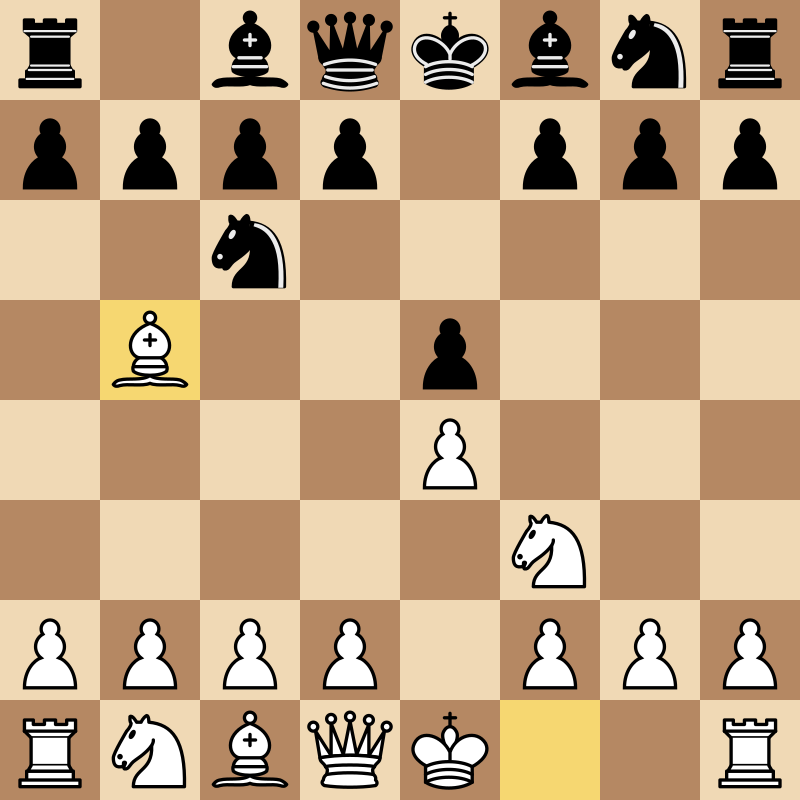
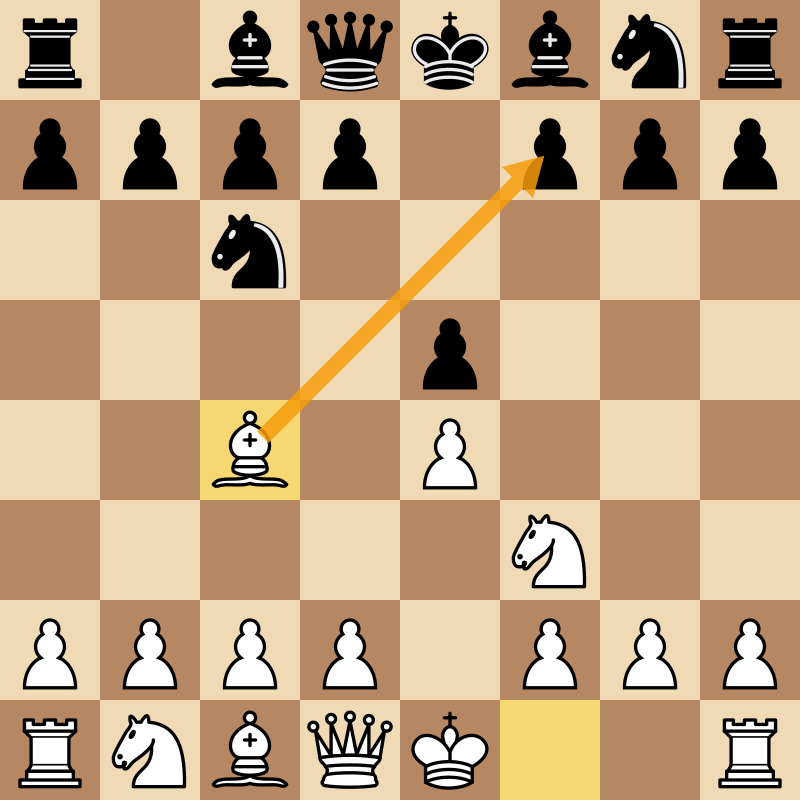
Here’s an example. You’ve prepared the Italian Game, and your opponent plays 3…Be7 instead of the main lines. In the review, you’d note that 3…Be7 is passive, and that White can simply play d4 to take the center. One deviation, one lesson, and next time you’re ready.
A weekly opening practice plan
| Day | Practice (10–20 min) |
|---|---|
| Monday | Learn mode: step through one new line and read every explanation |
| Tuesday | Practice mode: play the line from memory until you get three stars |
| Wednesday | Play 3–5 games against a bot using the opening |
| Thursday | Practice mode: repeat Tuesday’s lines; add one sideline |
| Friday | Play real games; review the first deviation in each |
| Weekend | Revisit last week’s lines in Practice mode |
Which opening should you practice first?
If you don’t have an opening yet, start with the most forgiving ones: the Italian Game or London System as White. Our list of the best chess openings for beginners explains how to choose, and how to learn chess openings goes deeper into the learning side.
When you know the moves but they keep slipping away, read how to memorize chess openings for memory techniques that actually work.
Practice it in Chess Opens
Learn the Italian Game move by move
Step through the Italian Game with the reason behind every move, then play it from memory against the trainer. Free, no sign-up.
Also in this article: London System
Questions
Q1How long does it take to learn a chess opening?
You can learn the first 6–10 moves of a system like the London or the Italian in an afternoon. Playing it comfortably, knowing the plans and handling deviations, usually takes a few weeks of regular games and reviews.
Q2Can I use an opening book while playing on Chess.com?
Only in Daily (correspondence) games, where Chess.com allows opening books and its explorer. In live games against other people, outside help is not allowed, and browser extensions aren't allowed in any game against people. Games against Chess.com's bots aren't covered by the Fair Play Policy.
Q3Should I practice openings against bots or people?
Both, in that order. Bots let you repeat the same opening many times without risking your rating, and you can use training tools there. Then test the opening in real games and review them afterward.
Q4How many openings should I practice at once?
One at a time. Pick your opening for White or your defense to 1.e4, practice it until it's automatic, then move on to the next.
Keep reading
How to Learn Chess Openings Without Memorizing Everything
A step-by-step method to learn chess openings: start with principles, pick a small repertoire, learn ideas and structures, then practice and review real games.
Best Chess Openings for White: 7 Choices for Every Style
The best chess openings for White, by style: the Italian, Ruy Lopez, Scotch, Vienna, Queen's Gambit, London System and English, with diagrams and plans.
The 8 Best Chess Openings for Beginners (and Why They Work)
The best chess openings for beginners, for White and Black: the Italian, London, Queen's Gambit, Caro-Kann and more, with diagrams and simple plans.