What Is a System Opening? Pros, Cons, and the Best Ones
What a system opening is, how it differs from a normal opening, the best systems for each side (London, KIA, Colle, King's Indian), and their pros and cons.
In short
- A system opening is a setup you play against almost anything, rather than a sequence of moves that responds to your opponent.
- Popular systems: the London, Colle, King's Indian Attack and Stonewall Attack for White; King's Indian and Pirc setups, the Hippopotamus and the Stonewall Dutch for Black.
- Pros: little theory, familiar plans, fast play. Cons: predictable, less pressure, and they don't teach every kind of position.
- Systems still require thought: you must adapt when your opponent's setup makes a standard move bad.
Some openings are a sequence of moves: you play 3.Bb5 because your opponent played 2…Nc6, and your next move depends on their reply. A system opening works differently. You aim for the same setup of pieces and pawns almost regardless of what your opponent does.
This article explains what makes an opening a system, covers the best-known systems for both colors, and helps you decide whether one is right for you.
What makes an opening a “system”?
A system opening has three features:
- A target setup. You know in advance where your pieces and pawns are going.
- Move-order flexibility. You can usually reach the setup whatever your opponent plays, sometimes in a different order.
- Repeating plans. Because the structure repeats, so do the middlegame plans.
Compare that with the Ruy Lopez or the Najdorf, where a single different move by your opponent can require a completely different response.
Popular systems for White
London System
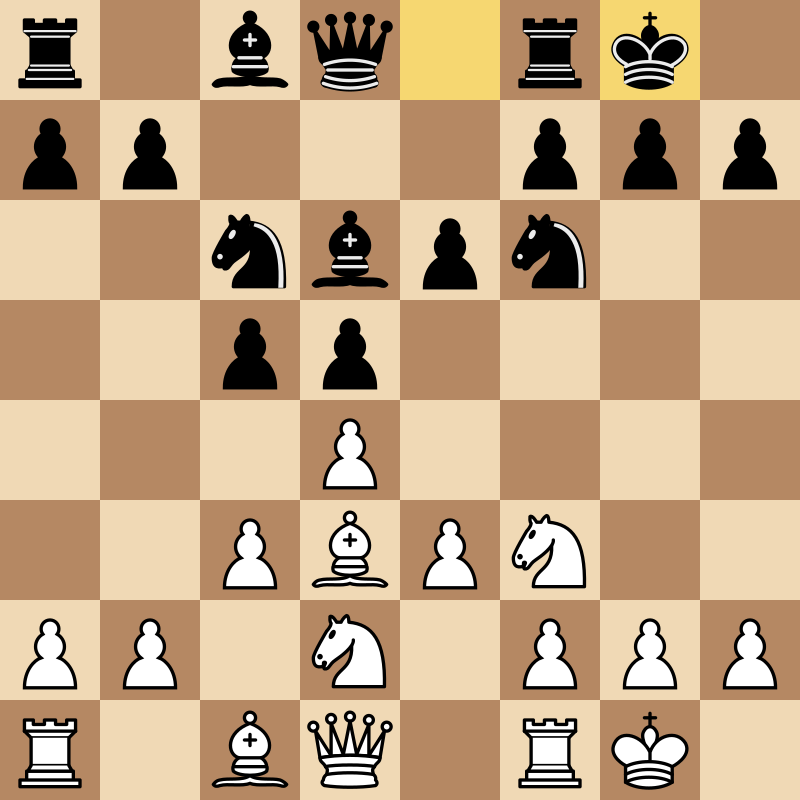
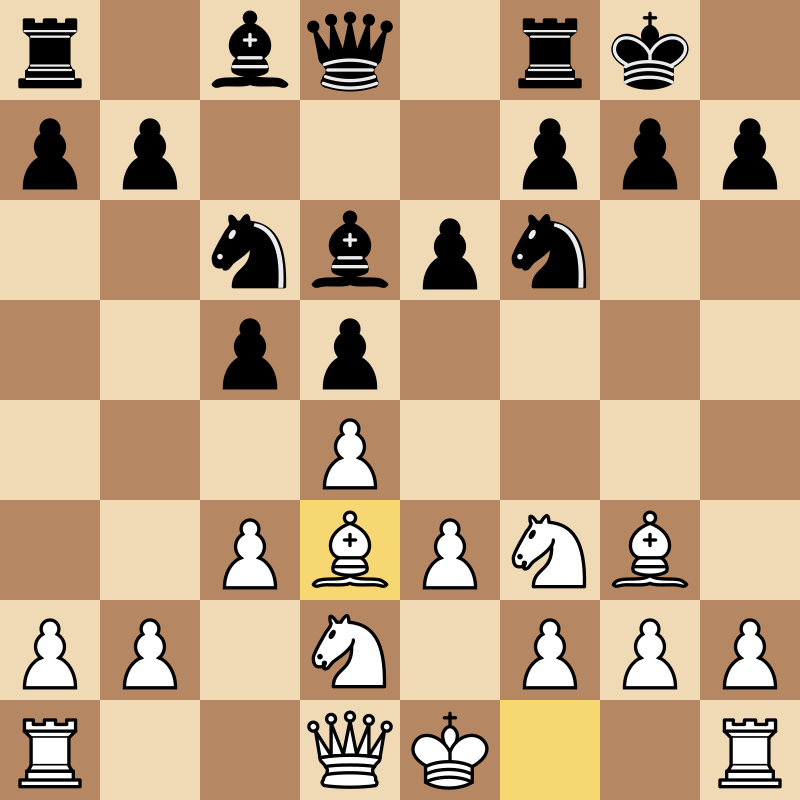
d4, Bf4, e3, Nf3, c3, Bd3, Nbd2, O-O. The most popular system of all. Solid, with plans based on a knight on e5 and a kingside attack. See the London System guide.
Colle System
d4, Nf3, e3, Bd3, c3, Nbd2, O-O, then the e3–e4 break. Like the London, but the dark-squared bishop stays on c1 until the center opens. See London vs Colle.
King’s Indian Attack
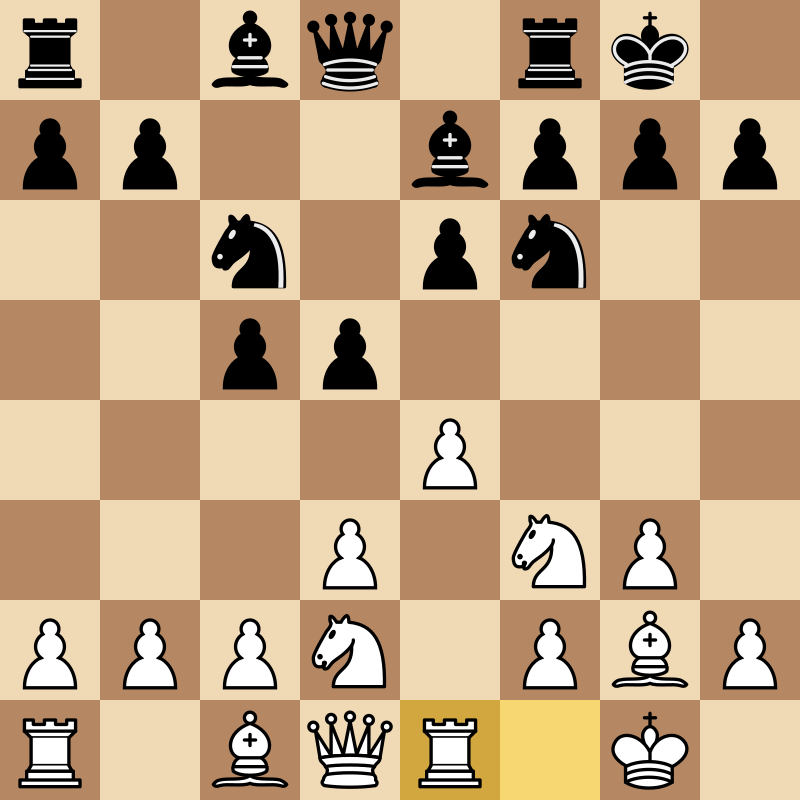
Nf3, g3, Bg2, O-O, d3, Nbd2, e4. A King’s Indian Defense with colors reversed and an extra move. White pushes e5 and attacks on the kingside. Read the King’s Indian Attack guide.
Stonewall Attack
d4, e3, Bd3, f4, Nf3, c3, Nbd2: pawns on c3, d4, e3 and f4 make a “stone wall,” and White attacks on the kingside with Ne5 and Qf3 or g4. It works best against …d5 setups.
Torre Attack and Jobava London
The Torre Attack (d4, Nf3, Bg5) and the Jobava London (d4, Nc3, Bf4) are system-like setups with a little more bite. The Jobava, in particular, has become a popular aggressive alternative to the standard London; see the Jobava London guide.
Popular systems for Black
King’s Indian setup
…Nf6, …g6, …Bg7, …d6, …O-O. Black can play it against 1.d4, 1.c4, 1.Nf3 and even the London. The plans (…e5 or …c5, kingside play) carry over everywhere. Read the King’s Indian guide.
Pirc and Modern Defense
Against 1.e4, the same fianchetto idea: …d6, …Nf6, …g6, …Bg7. Flexible and hard to target, though White gets central space. See the Pirc page and the Pirc guide.
The Hippopotamus
A rare but famous system: Black puts pawns on a6, b6, d6, e6, g6 and h6 and develops behind them. Extremely flexible, very passive, and best as a surprise weapon.
Stonewall Dutch
…f5, …e6, …d5, …c6, …Bd6, …Nf6, …O-O. A fixed setup against 1.d4 with kingside attacking chances. Read the Stonewall Dutch guide.
Pros of system openings
- Less theory. You learn one setup instead of dozens of lines.
- Familiar plans. After many games in the same structure, you understand it deeply.
- Fast play. Great for blitz and rapid, where saving time on the clock matters.
- Fewer early disasters. Most systems are solid and hard to blow up.
Cons of system openings
- Predictability. Opponents know what you’ll play and can prepare a specific antidote.
- Less pressure. Systems usually aim for a smaller opening advantage than main-line openings.
- Narrower learning. Playing one structure every game can leave gaps in your understanding of open, sharp or unusual positions.
- Autopilot risk. The setup isn’t always right. If your opponent’s moves make a standard move bad, you have to notice.
Should you play a system?
Systems are a great choice if:
- You have limited study time.
- You play mostly blitz or rapid.
- You’re building up middlegame and endgame skills first.
Consider main-line openings if:
- You want to learn the widest range of positions.
- You want to put maximum pressure on your opponent from the opening.
- You’re aiming for a high rating and plenty of tournament play.
Many strong players use both: a system for fast games and a main-line opening for classical tournaments.
Learn more
Compare two popular systems in King’s Indian Attack vs London System, and read London System pros and cons for a detailed look at the most popular one. To build a complete repertoire around a system, see how to build a chess opening repertoire. Wikipedia’s chess opening article explains how openings are classified more broadly.
Practice it in Chess Opens
Learn the London System move by move
Step through the London System with the reason behind every move, then play it from memory against the trainer. Free, no sign-up.
Also in this article: King's Indian Defense, Pirc Defense
Questions
Q1Is the London System a system opening?
Yes, the London is the most popular system opening. White aims for d4, Bf4, e3, Nf3, c3, Bd3, Nbd2 and castling against almost any Black defense.
Q2Are system openings bad?
No. They're sound and played by strong grandmasters. Their drawbacks are practical: they're predictable, they usually aim for a smaller opening advantage, and relying on one system can limit how many kinds of positions you learn.
Q3What is the best system opening for Black?
The King's Indian setup (...Nf6, ...g6, ...Bg7, ...d6, ...O-O) is the most flexible, since it can be played against 1.d4, 1.c4 and 1.Nf3. Against 1.e4, the Pirc or Modern Defense uses the same idea.
Keep reading
London System vs Colle System: Which d4 System Is Better?
London System vs Colle System compared: where the dark-squared bishop goes, the plans (Ne5 and kingside attack vs the e4 break), theory, and which suits you.
King's Indian Attack: A Complete System for White
Learn the King's Indian Attack: the Nf3, g3, Bg2, O-O, d3, Nbd2 and e4 setup, the e5 push, the kingside attack plan, and how to handle Black's main setups.
London System Pros and Cons: Is It Right for You?
An honest look at the London System's pros and cons: low theory and a reliable setup, against predictability, passivity, and what it doesn't teach you.