Queen's Gambit Pros and Cons for White
The Queen's Gambit's pros and cons for White: principled pressure, clear plans like the minority attack and lasting value, versus more theory and solid replies.
In short
- Pros: principled central pressure, clear plans (the c-file, the minority attack, e4), and an opening you'll never outgrow.
- Cons: more theory than the London, Black has very solid replies (QGD, Slav), and the positions are often slow.
- It's the best long-term 1.d4 choice for players who want to understand pawn structures.
- Start with the Exchange Variation: it's the easiest way into the Queen's Gambit and its plans are clear.
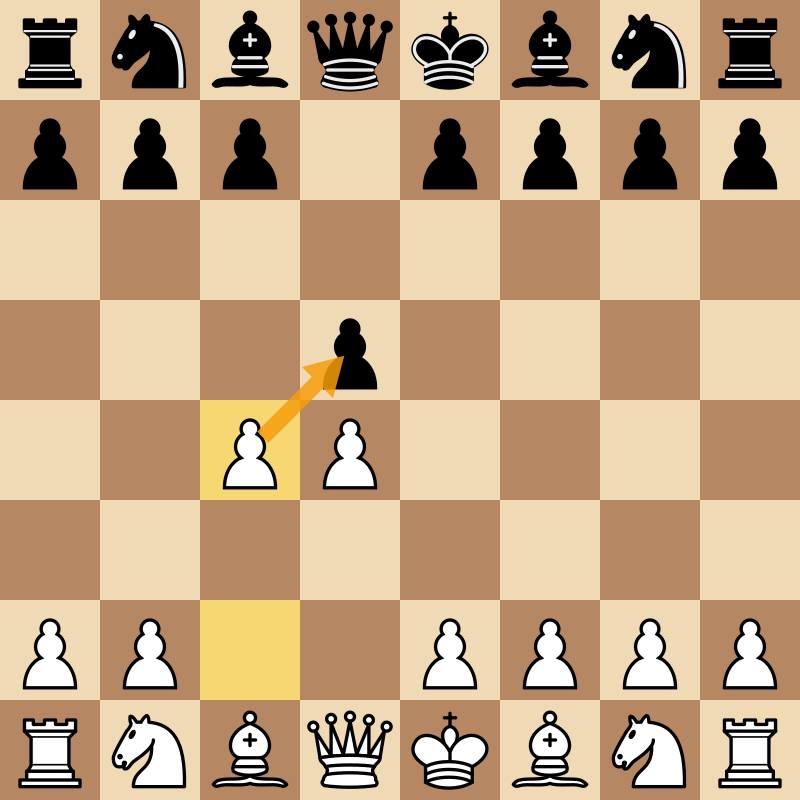
The Queen’s Gambit is the classical way to play 1.d4: 1.d4 d5 2.c4, offering a pawn to pull Black’s d-pawn away from the center. It has been a world championship staple for more than a century. But is it the right 1.d4 opening for you, or would something simpler serve you better? Here are its honest pros and cons.
For the full theory, read our Queen’s Gambit guide.
The pros
1. It’s principled
The Queen’s Gambit fights for the center directly. It puts real questions to Black from move two: hold d5, give it up, or counter-attack. Compared with system openings, it aims for a genuine opening advantage.
2. Clear, teachable plans
The Queen’s Gambit leads to some of the best-understood structures in chess:
- The minority attack in the Exchange Variation (b4–b5 against Black’s queenside pawns).
- The central e4 break when Black gives up the center.
- Pressure down the c-file after cxd5.
Once you learn these plans, you’ll recognize them in many other openings too. Our guide to the Carlsbad structure explains the most important one.
3. You’ll never outgrow it
The Queen’s Gambit is played by beginners and world champions alike. Every hour you spend on it keeps paying off as your rating rises.
4. It’s not really a gambit
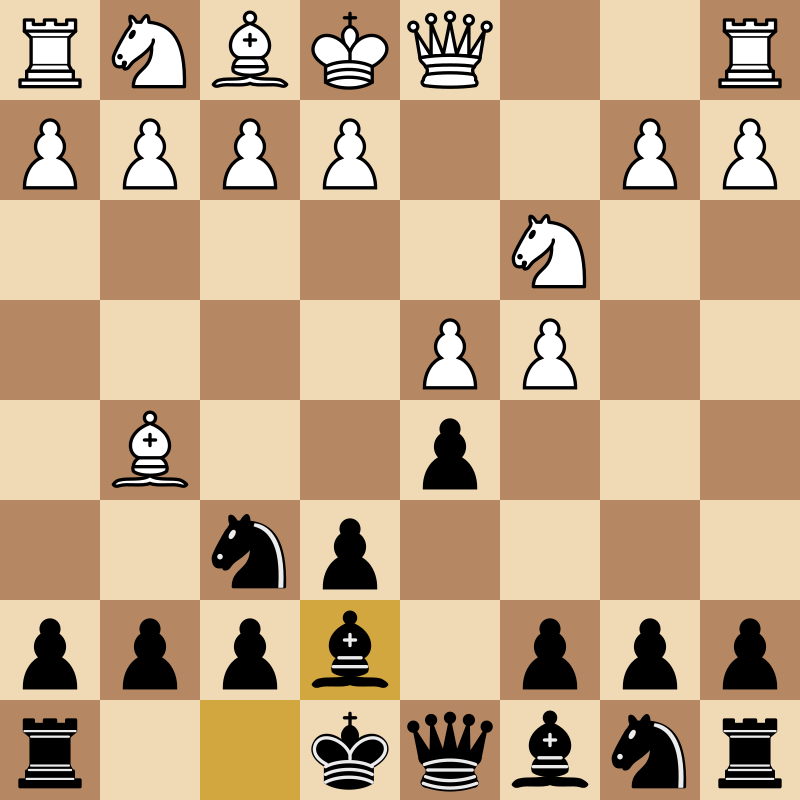
The pawn on c4 is almost always regained. You get the benefits of a gambit (time, central control) without really giving anything away. Black’s attempts to keep the pawn, like the trap shown in the Queen’s Gambit traps article, usually backfire.
5. It teaches pawn structure
More than almost any other opening, the Queen’s Gambit teaches how pawn structures determine plans. That skill transfers to every game you play.
The cons
1. More theory
You need answers to the QGD, the Slav, the QGA and the Albin Countergambit, and each has several sub-variations. That’s considerably more than the London System.
2. Black has very solid answers
The Queen’s Gambit Declined and the Slav are two of the most reliable defenses in chess. Against a well-prepared opponent, White’s advantage is real but small.
3. The games can be slow
Queen’s Gambit positions are often strategic and maneuvering. If you want early tactics, an open 1.e4 opening may be more fun.
4. You also need a plan against the Indian defenses
Many Black players avoid 1…d5 altogether with 1…Nf6. If you play 2.c4 there, you’ll face the King’s Indian, Nimzo-Indian, Grünfeld and more. That’s a whole extra repertoire.
At a glance
| Pros | Cons | |
|---|---|---|
| Opening advantage | Principled, real pressure | Black’s QGD and Slav are very solid |
| Plans | Clear and transferable | Mostly strategic, less early tactics |
| Theory | Well organized | More to learn than system openings |
| Longevity | Works at every level | Requires answers to 1…Nf6 too |
Who should play the Queen’s Gambit?
Play it if you:
- Want a principled 1.d4 opening you can keep forever.
- Enjoy strategic play and want to learn pawn structures.
- Have time to study answers to Black’s main defenses.
Consider the London instead if you:
- Have very limited study time.
- Mostly play blitz.
- Want the same setup every game.
We compare the two directly in London vs Queen’s Gambit.
The verdict
The Queen’s Gambit is one of the best investments you can make in your chess. Its cons are about time and effort, not soundness. Learn both trainer lines on the Queen’s Gambit page, and study Black’s main replies on the QGD, Slav and QGA pages. Wikipedia’s Queen’s Gambit article covers the opening’s long history.
Practice it in Chess Opens
Learn the Queen's Gambit move by move
Step through the Queen's Gambit with the reason behind every move, then play it from memory against the trainer. Free, no sign-up.
Also in this article: Queen's Gambit Declined, Slav Defense, Queen's Gambit Accepted
Questions
Q1Is the Queen's Gambit too hard for beginners?
Not if you start with the Exchange Variation, which has clear, repeating plans. The full Queen's Gambit (against the QGD, Slav, QGA and others) takes longer to learn than the London, but you'll learn more chess along the way.
Q2Is the Queen's Gambit better than the London System?
It puts more pressure on Black and teaches more varied structures, but needs more study. The London is easier and more practical. We compare them in detail in our London vs Queen's Gambit article.
Q3What do I need to know to play the Queen's Gambit?
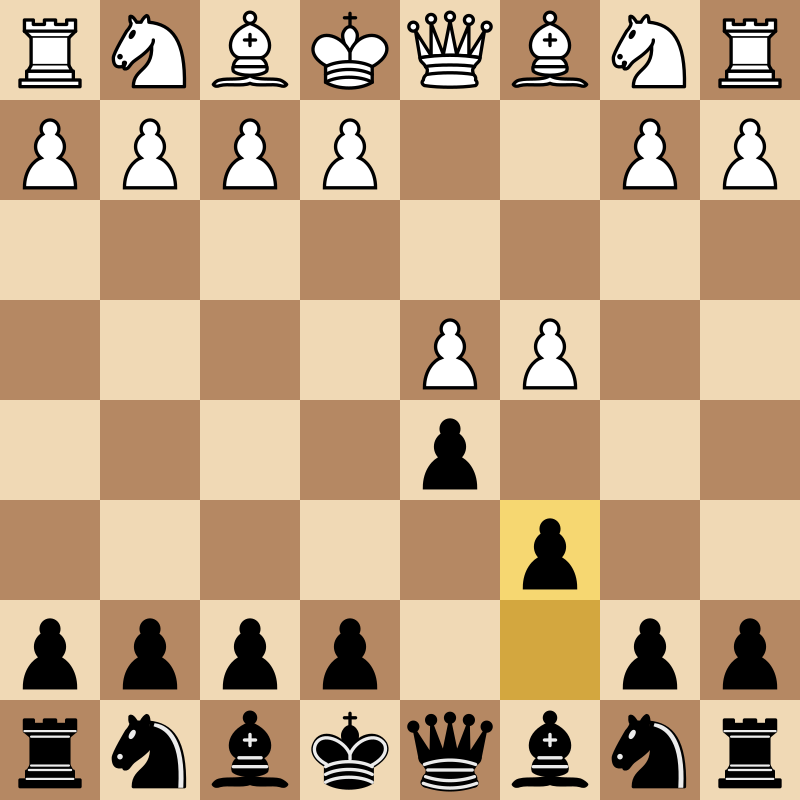
Answers to four replies: 2...e6 (QGD), 2...c6 (Slav), 2...dxc4 (QGA) and 2...e5 (Albin). Plus a plan against 1...Nf6 Indian defenses if you play 2.c4 there too.
Keep reading
Queen's Gambit: A Complete Guide for White
Learn the Queen's Gambit (1.d4 d5 2.c4): how to play against the QGD, QGA, Slav and Albin, the Exchange Variation's minority attack, and key plans.
Slav vs Queen's Gambit Declined: Which Should Black Play?
Slav vs Queen's Gambit Declined compared: the c8 bishop, development speed, pawn structures, White's best tries and theory, to help you choose against 1.d4.
Queen's Gambit Declined: A Complete Guide for Black
Learn the Queen's Gambit Declined as Black: the Orthodox, Tartakower and Lasker defenses, the Exchange Variation, freeing breaks, and the Elephant Trap.